Texture: The Minimalist's Secret Ingredient for Outfits That Never Read Flat
The minimalist wardrobe’s failure mode is flatness — the same-fabric neutrals reading like a uniform in the sad sense — and the fix costs no color: texture, the dimension that makes quiet clothes rich. The texture-minimalism guide.
The Principle
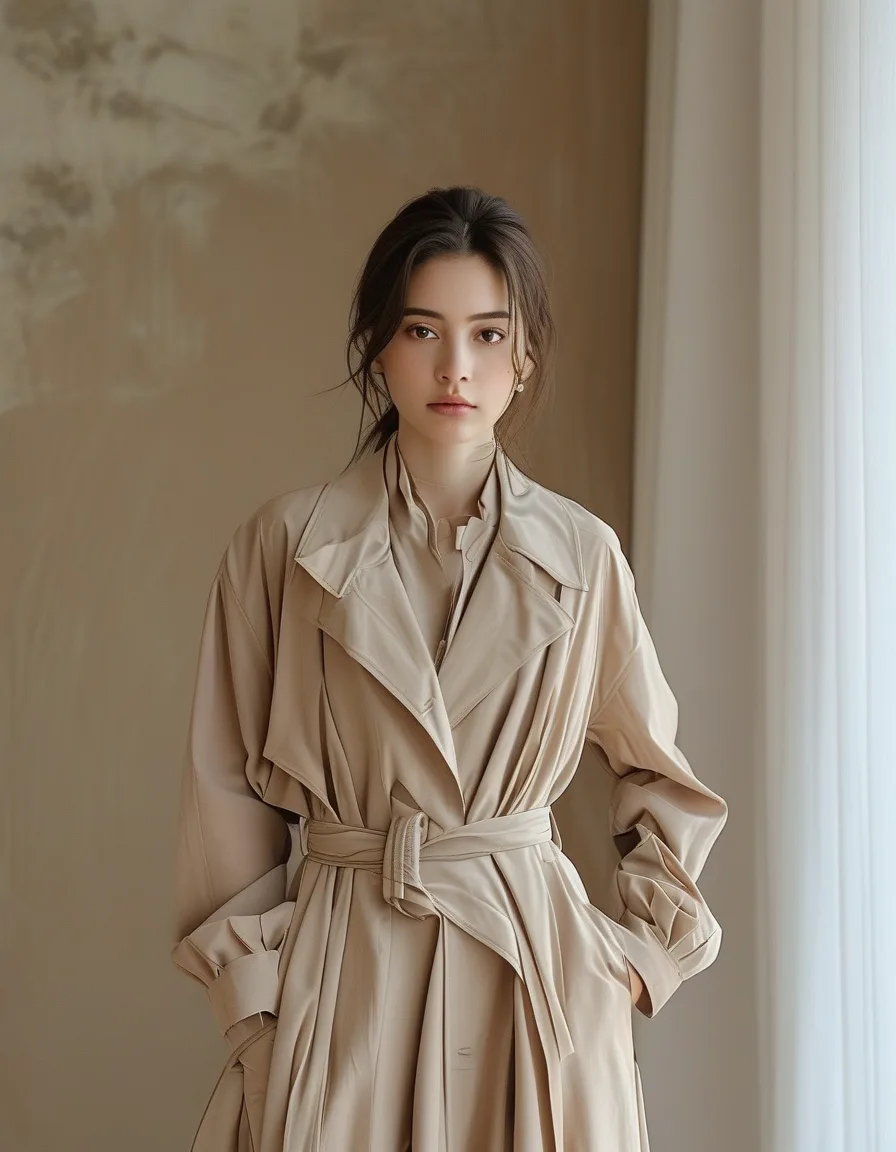
Texture as the minimalist’s color: the interest mechanics (the eye reading VARIATION — the color-restricted outfit needing another axis; the texture supplying contrast without breaking the palette per the monochrome logic), the light interaction (the textures catching light differently — the matte-against-sheen, the smooth-against-nubby; the depth created within one tone), the luxury signal (the texture being how quiet-luxury speaks — the cashmere-silk-and-leather vocabulary per the quiet-luxury logic; the rich-neutral read from the neutral logic), the touch dimension (the tactile wardrobe being pleasurable to WEAR — the sensory joy per the joy logic), and the flat-outfit diagnosis (the all-same-fabric look identified — the jersey-on-jersey flatness; the one-texture-swap fix).
The Mixing Craft
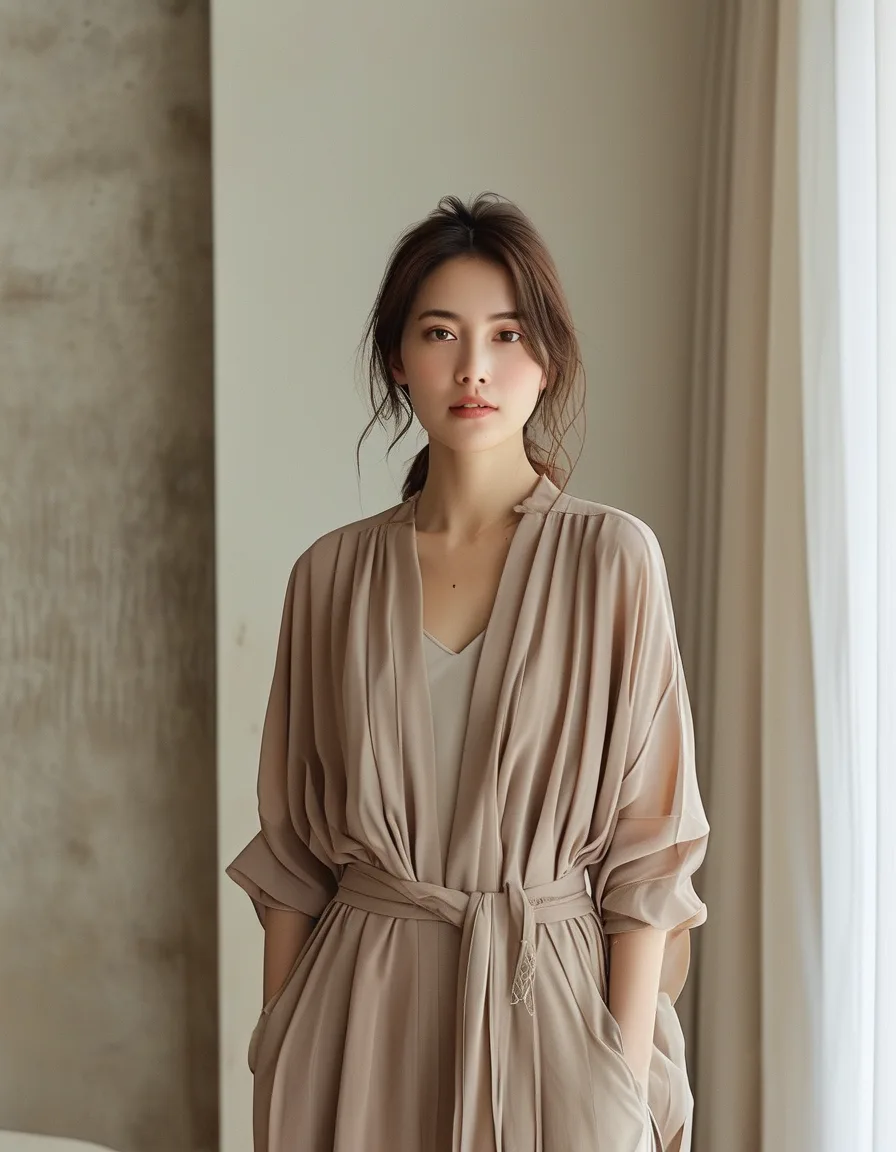
Combining textures: the contrast pairs (the chunky knit against smooth leather — the crisp poplin against fluid silk; the denim against cashmere; the opposites creating the interest per the contrast logic), the three-texture rule (the outfit carrying two-three distinct hands — the more becoming noise per the one-statement inversion; the third texture often being the accessory: the suede bag, the leather belt per the accessory logic), the tonal-texture column (the monochrome outfit built entirely on texture shifts — the cream cable-silk-and-suede stack from the monochrome logic; the minimalist’s richest formula), the seasonal vocabularies (the summer’s linen-crochet-and-canvas — the winter’s wool-leather-and-shearling; the season’s textures rotated per the seasonal logic), the sheen calibration (the satin-and-silk doses in daylight — the sheen reading evening; the matte-majority daytime rule per the occasion logic), and the texture-as-statement move (the one sculptural-texture piece carrying a plain outfit — the boucle jacket, the ribbed column per the statement logic).
The Tactile-Wardrobe Build
Buying for texture: the audit pass (the current wardrobe’s texture inventory — the jersey-heavy discovery being common per the inventory logic; the texture gaps listed), the priority additions (the leather-or-suede piece, the substantial knit, the crisp poplin shirt from the white-shirt logic, the silk-or-satin item — the four hands that transform pairing math), the quality-texture link (the texture being where quality shows most — the real-versus-faux hand per the quality logic; the secondhand leather-and-cashmere goldmine per the thrift logic), the care commitment (the textures maintained — the leather conditioned, the knits depilled per the care logics; the texture that degrades reading worse than flat), the palette discipline kept (the textures varied while colors stay restricted — the minimalism preserved per the capsule logic), and the closing frame (the quiet wardrobe made rich on one added axis — the cable against silk, the suede against poplin; the flatness, permanently defeated; the minimalism, finally tactile). Two-three hands per outfit, contrast the opposites, quality where you touch: the texture, doing the color’s job.
Texture is the minimalist’s color: restricted palettes need another axis of contrast, so pair opposites — chunky knit against leather, crisp poplin against silk — at two-three distinct hands per outfit, and build the richest formula: the tonal column made entirely of texture shifts. Buy the four transforming hands (leather, substantial knit, poplin, silk), and remember texture is where quality shows most.
Keep Reading
This article is for general styling and informational purposes only. Trends, sizing, availability and pricing may vary by brand and season.