Minimalism With Texture (Why the Best Minimal Looks Are Never Flat)
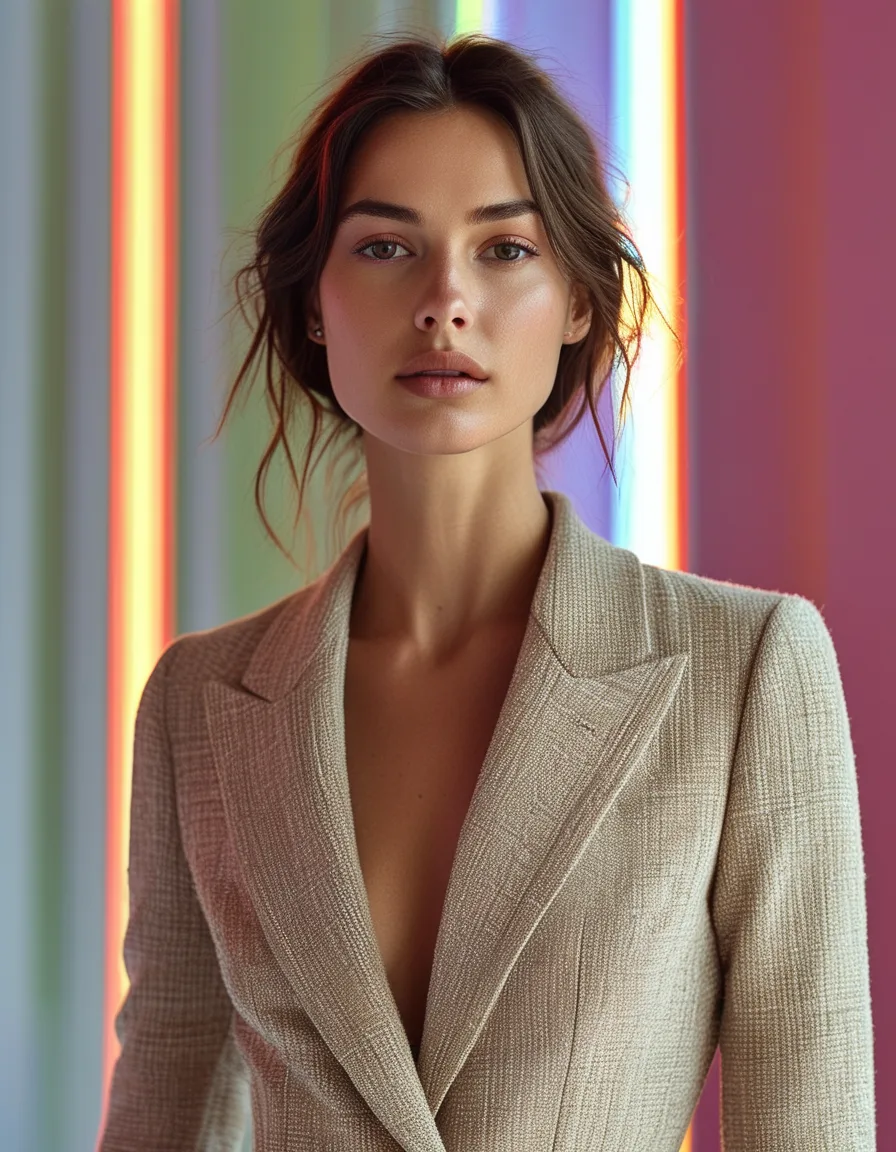
Minimalism goes wrong in exactly one way: it goes flat. Strip out colour and print and you need something else carrying the interest — and that something is texture. Here is why texture rescues minimalism, the textures worth building with, and how to combine them.
Why Texture Rescues Minimalism
The flatness problem: the the-minimalism-goes-flat (the minimalism failing when it becomes flat and lifeless from the negative-space logic — the goes-flat), the the-no-colour-no-print-means-texture-carries (the texture carrying the interest when colour and print are stripped out from the negative-space logic — the texture-carries), the the-depth-without-noise (the texture adding depth without adding noise from the sculptural logic — the depth-without-noise), the the-tonal-looks-need-variation (the tonal outfits needing surface variation to read from the negative-space logic — the tonal-needs-variation), the the-texture-reads-as-considered (the textural contrast reading as deliberate and expensive from the chic-closet logic — the reads-considered), and the reframe (the texture as what rescues minimalism from flatness — the thing carrying the interest once colour and print are gone).
The Textures to Build With
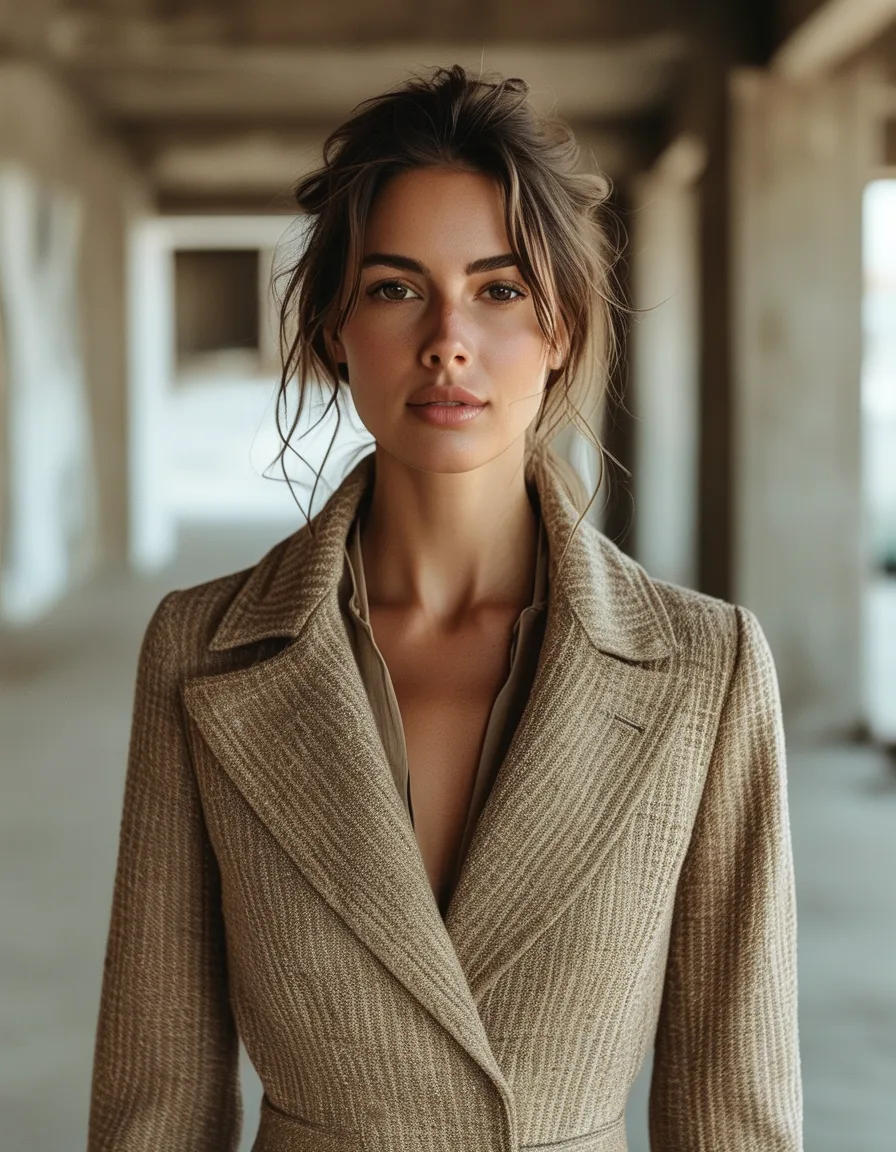
The textural vocabulary: the the-fine-knit-and-ribbing (the fine knits and ribbing for quiet surface from the chic-closet logic — the knit-and-rib), the the-crisp-poplin-and-cotton (the crisp poplin against softer pieces from the chic-closet logic — the crisp-cotton), the the-fluid-silk-and-satin (the fluid silk or satin for movement and sheen from the chic-closet logic — the silk-and-satin), the the-heavy-wool-and-tailoring (the heavy wool and structured tailoring for weight from the sculptural logic — the wool-and-tailoring), the the-leather-and-suede (the leather or suede for contrast against soft cloth from the chic-closet logic — the leather-and-suede), the the-linen-and-slub (the linen and slubbed weaves for irregular surface from the chic-closet logic — the linen-and-slub), the the-boucle-and-tweed (the bouclé and tweed for visible texture from the chic-closet logic — the boucle-and-tweed), and the the-matte-against-sheen (the matte surfaces played against sheen from the sculptural logic — the matte-vs-sheen).
The Combining Notes
Building the textural outfit: the the-two-or-three-textures (the two or three textures being enough per outfit from the one-bold-piece logic — the two-or-three), the the-contrast-the-weights (the contrasting heavy against light from the sculptural logic — the contrast-weights), the the-matte-and-sheen-together (the pairing matte with a single sheen from the sculptural logic — the matte-and-sheen), the the-keep-the-palette-tight (the keeping the colour palette tight so texture leads from the negative-space logic — the tight-palette), the the-let-one-texture-dominate (the letting one texture dominate and others support from the one-bold-piece logic — the one-dominates), the the-check-it-in-daylight (the checking the textures read in natural light from the chic-closet logic — the check-in-daylight), the the-quality-shows-in-texture (the good fabric showing most in textured pieces from the chic-closet logic — the quality-shows), and the frame (the textured minimalism as two or three contrasting textures in a tight palette — matte against sheen, heavy against fine, with one dominating — never flat. Build with two or three textures in a tight palette, contrast the weights, pair matte with sheen, and let one texture lead).
Minimalism goes wrong in exactly one way: it goes flat; strip out colour and print and you need something else carrying the interest — and that something is texture. Texture rescues minimalism because minimalism goes flat, texture carries the interest when colour and print are gone, it adds depth without noise, tonal looks need variation, and texture reads as considered. The textures to build with: fine knit and ribbing, crisp poplin, fluid silk and satin, heavy wool and tailoring, leather and suede, linen and slub, bouclé and tweed, and matte against sheen. Combine them with two or three textures, contrasting weights, matte and sheen together, a tight palette, letting one texture dominate, checking it in daylight, and remembering quality shows in texture. Never flat.
Keep Reading
This article is for general styling and informational purposes only. Trends, sizing, availability and pricing may vary by brand and season.