Minimalist but Not Boring: How to Keep a Pared-Back Wardrobe Interesting
The critique of minimalist style is that it’s boring — a beige uniform of nothing-happening. Done well, it’s the opposite: quietly rich, full of texture, shape and considered detail. The minimalist-muse edit on keeping it interesting: the boredom risk, the ways to add depth without clutter and the details that elevate.
The Minimalist-Boredom-Risk Case
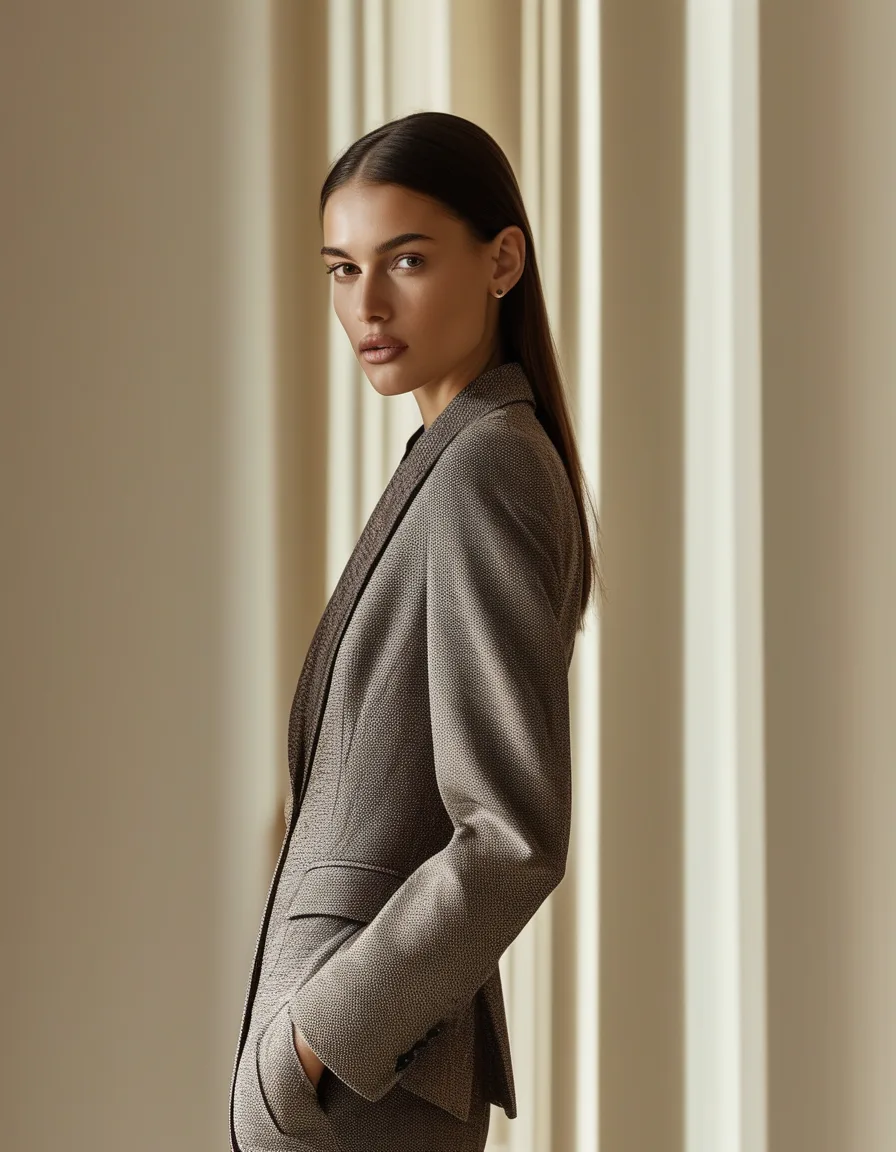
Why minimalism can read boring (and needn’t): the the-beige-uniform-critique (the minimalism dismissed as boring-and-flat — the nothing-happening risk; the the-minimalist-wardrobe defense), the boring-is-a-failure-of-execution (the boredom coming from lack-of-interest, not minimalism itself — the fixable; the done-well-vs-done-flat), the quietly-rich-done-right (the good minimalism as textural-and-considered — the depth-within-restraint; the sculptural-minimalism), the interest-without-clutter (the depth added by texture-shape-and-detail, not more stuff — the more-with-less), and the reframe (the minimalism as interesting-when-executed-with-texture-shape-and-detail).
The Add-Interest-Without-Clutter Methods
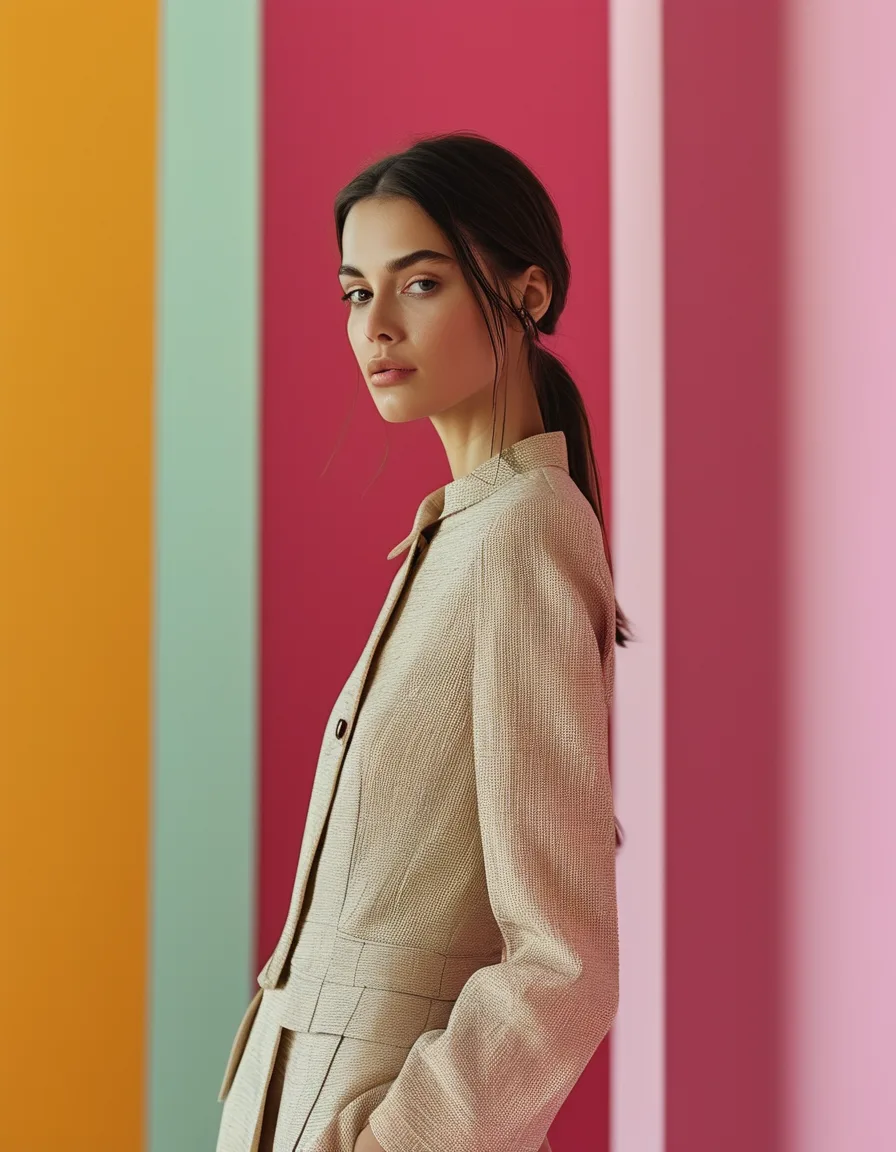
Adding depth to minimalism: the texture-over-color (the interest from mixed textures — knit, leather, silk, linen — the texture-minimalism; the tactile-depth), the the-sculptural-shape (the interesting silhouettes and architectural cuts — the shape-as-interest; the sculptural-minimalism), the the-negative-space (the considered proportions and negative space from the art-of-negative-space chapter — the composition-as-interest), the tonal-depth (the layered tones within the palette — the monochrome-with-depth; the tonal-richness), the one-bold-piece (the single statement against the restraint from the one-bold-piece-minimalist chapter — the more-impactful-against-simple), the the-considered-accessory (the one sculptural, deliberate accessory from the minimalist-accessories chapter — the detail-that-elevates), and the quality-that-reads (the elevated fabric and cut reading rich — the quality-over-quantity depth).
The Details-That-Elevate Notes
The details that elevate minimalism: the fabric-and-quality (the elevated fabric doing quiet work — the make-basics-look-expensive; the quality-audit), the fit-and-tailoring (the impeccable fit as the minimalist detail — the fit-is-everything), the the-single-focal-point (the one deliberate focal piece or detail — the edited-emphasis), the sculptural-accessories (the architectural earring or bag from the minimalist-accessories chapter — the sculptural-detail), the uniform-with-variation (the personal uniform with textural variation from the uniform-dressing chapter — the consistent-not-monotonous), the the-considered-not-careless (the every-choice-deliberate — the intentional-restraint), and the frame (minimalism kept interesting by texture, shape, negative-space, one-bold-piece and elevated-detail — pared-back, never boring. Keep minimalism interesting with mixed textures over color, sculptural shapes, considered negative space, tonal depth, one bold piece and impeccable fit — pared-back but quietly rich, never boring.
The critique of minimalist style is that it’s boring — a beige uniform of nothing-happening. Done well, it’s the opposite: quietly rich, full of texture, shape and considered detail. Add depth without clutter: interest from mixed textures (knit, leather, silk, linen) over color, sculptural shapes and architectural cuts, considered negative space and proportion, tonal depth within the palette, one bold piece against the restraint, and one deliberate sculptural accessory. The details that elevate: elevated fabric, impeccable fit, a single focal point, and every choice deliberate. Pared-back but quietly rich — never boring.
Keep Reading
This article is for general styling and informational purposes only. Trends, sizing, availability and pricing may vary by brand and season.